Google DeepMind 的 Logan Kilpatrick:为什么模型会吃掉整个工具链
Google DeepMind's Logan Kilpatrick: Why the Model Eats the Harness
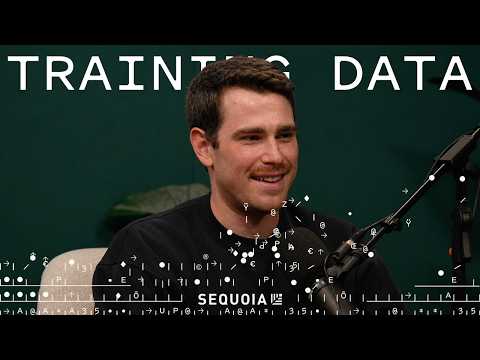
So we could edit this set so it looks like we're on >> Yes. Yeah, yeah, we I want this where where we were talking off camera like we should do that for the intro because I think it just like makes all this stuff more capable. I've seen these examples of like such subtle nuance that like make me appreciate that it's like the world understanding playing out. I was I was giving a talk um and was on stage with with my friend Tulsi who leads the model team.
I had mentioned to someone in the crowd to like edit the video and they had literally like took the picture, edited it with omni in real time and this like dog came on the stage in the edited version. The other guests sort of like looked down and see the dog. They like chuckle a little bit. This is while I'm like opining about whatever AI nonsense. >> jokes. >> Yeah, that it was not my jokes. They they laugh at the dog coming up.
It jumps onto my lap. I sort of like acknowledge the dog. I keep talking. I'm like petting it or whatever and just like there's like so much subtle subtlety in getting that right and the model crushed it and it's just it it very interesting and like still trying to like absorb and digest like what that means for you know, the way we make content and all these other things. >> That's so interesting. >> I'm delighted to have Logan on the show.
Logan runs Google AI studio and the Gemini API. You spend a lot of your time thinking and building for the next generation of builders. >> Yes. >> So I'm excited to talk to you about everything from my agentic AI to AI coding, world models and more today and right off the heels of Google IO. So what better timing? >> Yeah, I'm super excited. Thank you for having me. >> Wonderful. Um let's start with agentic AI.
So Sundar opened IO by calling this the agentic Gemini era. What does agentic AI mean for Google? >> Yeah. It's a good question. I think and we were uh we sort of if you if you followed closely, we did sort of mention some of these things back with like Gemini 2.0, which I think was like a a little bit early. And so, I think this era, this like Gemini 3.5 era, feels like it's actually becoming true now and we're in the era of agentic coding uh or agentic products and everything agents as far as Gemini goes.
I think for us this agentic layer, and I think we we announced this actually at IO, um sort of being powered by the anti-gravity agent harness, is this like additional through line for Google that sort of connects all of our products that they're sort of like based on now. And so, historically like prior to Gemini, there actually like wasn't a through line for the, you know, probably sub-100 number of Google products that we have, the 50 Google products we have, there wasn't a through line.
We had Gemini, it became this through line, everything is now sort of using Gemini in some way. That's now becoming true for anti-gravity as sort of all of the products rebase um to become sort of like agentic native products and like actually taking action on behalf of users and helping them get things done. You see this like new through line emerging, which I think is actually really, really interesting. Um and so >> And sorry, help me with anti-gravity is the IDE, right?
Or the non-IDE? >> Yeah, anti-gravity is is a lot of things, which I think is is sort of again uh is an is an opportunity for us. Um you have sort of a core IDE, you have sort of like the agent first experience if you want it on the web, you have a CLI, you have an SDK. So, I actually think and I don't know how much we framed it this way, but like it really is an ecosystem of stuff that we built. And it's designed to sort of like meet developers wherever they are.
So, you could use it through the Gemini API if you want to and you want a managed agent that you don't have to do any of the the sort of infrastructure work for. Um and then the most interesting bit is like it's not just the ecosystem of anti-gravity stuff, it's also powering like literally it's the the same harness is actually powering all the other Google products. So, anti-gravity will be powering a bunch of agent stuff in search, in the Gemini app, um across like cloud and and ASU deal, which is really exciting.
>> I see. So, it used to be the Gemini API, so like the language model was the through line in terms of how AI gets baked into every Google product. >> Yeah. >> And now it's not only the API, it's the the coding harness. >> Exactly. >> Um that's that's being used into these products and therefore it's a coding agent itself that's driving more agentic properties. >> Yeah. >> products.
>> Yeah, and I think >> description? >> Fair fair description. I think more generically too, it's just like it is the agent harness. I think like coding is sort of like a specialized use case of the agent harness. I think is is obviously powerful, but it is like coding has proved to be the general purpose agent harness in addition to also working really well for coding. >> Are agent harness and coding harness synonymous or not?
>> There's definitely nuance. I think there's like optimization that you can squeeze out of like specializing and actually you see this where like the you know, technically the agent harness that gets used for the way that AI Studio uses it is like a little bit specialized for you know, the vibe coding use case and the the way that the Gemini app is using the agent harness is a little bit specialized for the sort of consumer always on 24/7 agent.
Um so, I think you have that base harness um that like probably has like 80% of the same stuff and then you specialize for for coding or for whatever the use case is. >> Interesting. How do you think about the cannibalization of the existing business, especially now that you are you know, going much more aggressively into agentic properties? Because I could see, for example, if all you're doing is search or summarization, um there's you know, not as much of a cannibalization fear.
Whereas if you're actually going through my emails, replying replying to them for me, like am I even going through my email anymore? And so, I could imagine that there's actually just fewer human eyeball hours um uh on your products as a result of having more agentic capabilities. Is that fair or how do you think about the cannibalization? >> Yeah, it's interesting. I think one sort of observation I have is that like at the beginning and I think Sundar's done a great job of of sort of talking through this is at the beginning of the the sort of current AI era like everyone assumed that AI being able to answer questions for you was going to be like negative sum for for search.
Um and actually what ended up happening is it's been incredibly positive sum for search. Like people are searching more, people are doing more. And so I think >> are searching, too. >> Yeah, and agent actually again, there's like this whole market that spawned at the same time that agents are doing more, at the same time that humans are also searching more. And so I think it will be Obviously, there's a finite amount of like human time in the world.
Um but from from like my early feelings of how a lot of this is playing out, it does feel like it's it's very positive sum from like an ecosystem value creation, like how the human behavior aspect of it turns out. I think it's like somewhat clear in the next 1 to 2 years, much less clear you know, 3 to 5 years from now when the technology has improved and the products probably look a little bit different than the way that they do.
But ultimately, like that is the success of product. I think like we we have a bunch of conversations with Demis all the time and it's like the point of building the technology is so that it can go and do stuff for you. Like that point like success for Google like probably doesn't look like you know, maximizing eyeball time in front of our products. It's like maximizing outcome for customers to like do the thing that they want to do so that they can go and live their life and do what they want.
And so I feel like you'll you'll probably see us go down the route of like maximizing outcomes for customers and like not maximizing eyeballs. >> Yeah. I have this term stuck in my head, agent-led growth. Like it seems to me So I'm using using coding agents a lot in my personal time and, you know, I just let the agent make all the infrastructure choices for me. I'm like, I don't care what database you tell me.
>> Yeah. >> And and so and the reason I ask is you know, it's true in coding today. I would imagine it's maybe going to be generally true for a a of things, let's say shopping down the line. Um how do you think that's going to change how advertising works, how value capture works for for the aggregators? >> It feels like it's a very similar trend. This isn't perfectly true, but a lot of these things are just like proxies of each other, like the way that SEO works, I think like is directly correlated with like the way that um like I forgot what the term that was, it's like GEO is like the generative engine optimization or whatever it's called.
Um And so it does feel like there's a lot of correlation between the uh between the things. My guess is it looks like much less of a radical shift than than the than I think maybe what we assume right now, just cuz these things compound on top of each other. >> If you were to you know, grade the scale of agenticness in terms of crawl, walk, run, where are we in terms of how agentic the Google suite of products is?
>> Yeah, that's a that's a great question. It's definitely like crawl right now. Um and I think some of this is like all of the inherent product tension for Google is like you have what, 13 billion plus user products. And so like I actually think we have some more like labs-like experiences where you're probably closer to running uh or walking. Um but I think like most of the product experience today is definitely closer to crawling.
And I think that's just like the stewardship responsibility we have sort of building a product that's being used by lots of people. Like I don't think the long tail of customers are like ready to have AI running and just doing all the things. Like they probably they want to be in the driver's seat. They're cautiously taking the first step. And I think the the Google team and like search is maybe like the most quintessential example of this.
Like I think they have a lot of responsibility to actually do that in a way that it brings people along and doesn't just like change everything of how they interact with the internet and the way they associate with products and stuff like that. So >> Yeah. Which products do you think are closest to the walk? >> That's a good question. I think Gemini app is definitely closest to walk. And so for for Spark, I think having a 24/7 always on agent like literally going and potentially doing a bunch of actions on your behalf is definitely like one of the frontier use cases.
And I think you'll see I think like anti-gravity is another one where it's like you can have autonomous coding agents, you know, rebuilding operating systems and doing, you know, billions of tokens and spending thousands of dollars on your behalf. And I think those are again like more and actually like they're in GDM as well as another angle of this. So, I think like GDM is taking like very much like a a frontier look at this where I think like the rest of Google's products I think are like more incrementally getting there which again makes makes reasonable sense to me.
>> Yeah. Do you think that Google ends up with one, two, three product surfaces for for using AI or thousands? >> It's tough. I think a lot of this is actually baked in just like how humans consume products. And my sense is that there's something nice about like having this like compartmentalization and this like specialization of products where like it becomes if you end up with a product that is like doing everything for you, inherently there's more work involved in using that version of the product.
I think I think would be like the default state. I think maybe somebody will spin together like the truly magic experience that doesn't make that true, but I think I think the long tail of folks end up having to spend more mental energy and more time to actually like get the general purpose product to do the thing that they actually want to do versus like there's something nice about I click my calendar app, it just shows me my calendar.
Like I don't need to worry and deal with anything else. >> This is my hot take for why slide decks have existed for so long of just like you know, the thing the piece of information you want to be exactly in the same place. Um and I think like we as humans are just actually very used used to that as opposed to the idea of a generative interface sounds so cool to me, but it's like are do our brains really isn't it just more cognitive overhead for us?
>> It definitely is in certain cases and I think somebody needs to again there's there's a lot of incredibly smart people in the world and so maybe somebody will find the experience that like makes it feel more natural, but to me right now I'm I'm maybe not 10,000 is the extreme version. I'm guessing it looks more like more products going after sort of like different and maybe the other answer is like I don't know what it looks like for Google for the ecosystem.
It looks like a lot more products, I think. Like and that's that's really exciting. I think like how Google will end up strategically deciding like do our customers want to deal with us having 10,000 products or would it be better to only have three? Um will come down to like a strategic decision for us. >> That's totally makes sense. Um when I talk to companies in the enterprise, they say, you know, everyone's talking about agentic AI, but the only place they've seen agents really working is coding agents.
Do you agree or disagree with that take? >> Yeah, I think it depends what your bar for working is, which I think is a lot of the nuance of this. Like I think if you're if you're truly trying to like offload very complicated tasks for for domains in which like it's the models haven't actually crossed the threshold of quality, then like I think that's definitely true. Like the it's not going to solve the problem, but this is something that I want I wish we could like measure.
A good example is like open router for example is like measuring, you know, the the total token consumption that's happening. And so you can sort of like see these trends play out over time of like how much more intelligence is in the world you know, now versus a year ago. In parallel, the thing that I'm actually really interested to measure is like how long is the average like thing the average like agent run or the average task actually taking place.
And it's I don't think it's something that they publish, but I feel like they probably have interesting data. I'm sure there's others. Cuz because I I do think you're like seeing these like new model capability lands or new model drop and and it's like spiking up. And and maybe the the curve is still like very low right now, but like you're seeing those like early signs of it spiking up or to like long running tasks and all the model labs are talking about like we released this new model and it did, you know, 3 days of autonomous work or whatever it is."
Um that that's the extreme, but I think in practice you're seeing that like trickling up like pretty pretty quickly, which is really interesting. So, even if the enterprises haven't felt it outside of coding, like they are going to like this year um as as sort of a bunch of those other use cases get get much better as well. >> From like a, you know, from the DeepMind perspective, do you think long horizon agents is like a KPI that matters?
Is it the Is it the KPI that matters? >> It definitely It definitely matters. Um I think for DeepMind like we're doing lots of things, which which we can talk more about later. Like there's, you know, a a huge portfolio of of different bets that are taking place. Long writing agents obviously matters a lot. And I think also like specifically coding agents and that matters a lot. Like it clearly is an accelerant of like every other part of your business if you have a great coding model.
Um and so making sure we have that I think is is super top of mind. >> Got it. Um I'd love to shift gears a little bit and talk about coding. >> Yeah. >> Um okay, I'm going to ask a hard question. Uh a lot of my developer friends were using Claude for a long time. OpenAI saw that declared code red. Codex is now really good. I'd say my friends are maybe split 50/50 now in using Claude and using Codex.
I don't hear a ton of them using Gemini, which is always kind of puzzled me. Um what's going on with that? >> Yeah, it's a great question. I think there's one there's one part of the story that I'll add, which is which which is it makes it even more which is uh December the narrative was that Google had won. Um and when we landed Gemini 3, I think it was like such a such a profound improvement from a model capability perspective.
I think a lot of the narrative was like Google has taken a huge leap forward um and and made that happen. And I think it what was interesting to see sort of as a as an ecosystem participant uh is like how not how quickly that narrative shifted, but just like the next wind of the narrative obviously was like all the agentic coding stuff that happened over over the holidays and then into January and beyond. Um and that was that was not that long ago.
Um and so it's a it is a >> Feel like we've been in warp speed ever since. >> Yeah, for sure. And but it is it's a matter reminder of like just how fast things can can change. Um I think the observation is is not is not unreasonable. I do think the what's happening behind the scenes for us is like trying to push the frontiers as fast as possible on coding. Um and so I think antigravity actually like is an important part of that.
I think one of the takeaways is that it's actually really hard to make a great coding model for this like um for this developer use case of like really long running sweet work if you don't actually have a product that does that. And so I think like Google realized that. That's why this sort of like windsurf uh deal happened. It's why those folks came over and then ultimately built antigravity and sort of we've been using internally actually and Sundar showed this at IO.
Uh just like the graph of growth of token consumption inside of Google. Um so you sort of like you need that engine to spin and sort of the meta comment again is like the engine is spinning. It takes time uh in order to like actually make model progress. Um but I'm super confident. I think the the folks the group of folks who we have working on code is like uh I describe it as like the Avengers of AI internally. Um and so like it really is like the some of the best people inside of Google trying to push the rock up the hill on this stuff and it taking it super seriously and trying to push.
And I think three flash um you know, notwithstanding like some of the conversation about like the price and stuff like that like is sort of a a step towards actually starting to bring a lot of these capabilities um and like the fruits of that labor paying off. Like it's a flash model that's better than any pro model we've ever really released from a coding standpoint. Um and the pro models were really good before. So there's another thread of this also which is like everyone forgets that there's like pre-training windows and I wonder like somebody should like track this online which would be interesting to see.
>> Meaning like the big run, like what clusters have been available and like >> Exactly. The big The big runs are like are an interesting thread of this and so it like it might look from an external perspective that like oh you're you're super behind in some way and like actually you you miss all the context of like where the big runs are and where the large pre-training runs are. Um so I think that that also like obviously there's pre-training has historically been like a massive strength for DeepMind like we have some of the best people in the world and so excited to see sort of the fruits of that labor and and everything else that's happened.
Like 3.5 flash was like all post-training gains which is really cool. Um so a huge uh huge testament to the team that the work that that team did to actually like make the level of gains and like surpass the previous pro model um literally just with post-training which is awesome. >> Mhm. How religious are you all about dog fooding internally? Like are for example are DeepMind folks still allowed to use other models or is it like you guys are using the Gemini harness now and we have to make this really really good?
>> Yeah, there's I mean I think people it's so healthy to be using other models just cuz like it's it's so sometimes hard to like actually grok what's happening in the ecosystem if you're not so like I use all the models I use all the products. Um I think like you know uh folks across the rest of DeepMind are doing the same thing. You definitely have to use the Gemini models though. Um it's just like great from uh from a feedback flywheel perspective and it's part of how they get better is like DeepMind has and Google more broadly has like a hundred thousand plus incredible engineers who are using the models and giving feedback and like it should be a competitive advantage for Google because we have that scale of sort of engineering resources and like the depth of the talent and can run you know AB tests and live experiments and all that stuff.
So um I think you have to use all the models but I think for for the majority of folks it's like Gemini as the daily driver which is great. >> Do you believe in this narrative around like a like a soft takeoff of like once you have a good enough agentic coding model, then it accelerates the pace of research progress and like it's a self-reinforcing cycle? >> It seems obvious that that's true, but I don't I maybe I'm I'm too I've drank in too much Kool-Aid that that's that that's the case.
>> seeing the signs of it yet? >> Yeah, I mean I you definitely see some signs of this. I think the signs that are like still early is doing this from a model perspective. And I think part of the context of that is like the resource allocation for some of these like larger training runs is just like significant. And so like you you definitely still have like a human in the driver's seat of making those decisions cuz like you're not going to accidentally, you know, take 10,000 TPUs to go kick off some job that like actually doesn't make that much sense.
Um, but from a product perspective, you for sure see it. Like I think we're seeing this on our team. Like we've built mobile apps using anti-gravity and like we'll launch them to the world like faster than I think any team at Google has ever built a mobile app. Josh's team did this with the Gemini Mac OS app and sort of like end-to-end delivered an app sort of faster than any team had ever delivered a Mac app at Google.
Um, and it's because of it's because of agentic coding. And so it's great from a product perspective. >> I think you've said in the past that if you could have a system that could build anything with code, humans can't compete on the same level and that's narrow super intelligence. Do you think we've reached that point? >> It is interesting. I think um this like narrow super intelligence example is interesting to see how obviously it kind of feels that way for coding right now where like coding is like just so good um that it does kind of feel like narrow super intelligence.
I don't know it depends how you actually end up the details of quantifying this. But I think the important thing is like if to your point earlier, it works incredibly well for code. Um, and so it would be great if it did a bunch of other things, but it's actually just like so impactful that it can be great at code. Um and so I spent a lot of time just like letting that that fact sort of just like wash over me because I think it's like obviously building AGI super important and very interesting, but like building AGI if it sort of like takes away from the story of like the current present capability of the technology, I think it's actually like kind of a bad a bad sort of like trade-off.
And so I'm trying to like always hold these two things in my head equal at the same time, which is we need to build general-purpose technology, but obviously it's so impactful to have this thing. And it feels like it hasn't taken away sort of it's been one of the best positive outcomes is that I feel like it hasn't taken away from like human developers. Um it really does feel like an accelerant of what human develop like I as a human developer feel like I have more agency in the world.
I feel like I can tackle this is my personal experience. I feel like I can tackle more ambitious problems. I feel like used to kick around ideas and they were like slightly out of reach um and I would just be like ah wouldn't it be nice. Um and now I have the opposite problem, which is I'm I'm kicking around an idea and I'm like I could probably make this even more ambitious and and sort of it does it adds a different layer of sort of um responsibility or like a some a different layer of burden actually because I'm like oh I can't just like do the the sort of MVP of this.
Like I actually need to like go 10 steps further because the technology enables me and like resetting my my level of ambition I think is something that I I've also spent a bunch of time thinking about. But I think that will happen in other these like vertical super intelligence domains um which will be interesting and it feels like we're going to get a bunch of those before we've like solved like it's almost like jagged like jagged super intelligence I think is what we'll end up with.
>> What verticals do you think we'll get super intelligence at next? >> That's a great question. I do spend a lot of my time, too much time probably, thinking about coding these days. So, I'll think for a second of like the other the other domains. Um I think part of this is like things that have like better verifiability, obviously, are like the ones where you'll you'll see the gains happen more quickly.
Um so, like things with like math and finance. Actually, like science could be a really interesting one. Like, it would be fascinating to see like some of these domains where there's some level of verifiability like actually like really start to take off. Um which would be cool and I also think like an important thing in this like broader narrative about just like what a what impact AI is having on the world. Like, you almost like want that to be the case in the sequencing of like things that work.
You want you a lot of these like really, really good, impactful, positive things for the world to happen um as early on as humanly possible so that like folks understand what the potential positive impact of the technology is. So, I think science could be a really interesting one. Yeah, there's obviously there's all the stuff happening right now with like math proofs and stuff like that, which I'm not a mathematician, so it's it's somewhat over my head, but um >> I saw a great tweet the other day.
Uh why did they have so many have so many problems? >> Exac- that's a that's a good one. I like that. That is a that's a good like t-shirt. >> Um so funny. Okay, I but speaking of Twitter, I went through your Twitter before this, so I'm going to read back another tweet at you. The good thing about Twitter is there's a public record of all your predictions, so >> need to turn on that auto tweet deleting feature or whatever it was.
>> Um last October, you tweeted, "Everyone is going to be able to vibe code video games by the end of 2025." >> Yeah. >> Did that end up being true? >> It feels close and I think there's I mean it obviously not AAA games. Like, you're not building a you know, the next Call of Duty or GTA yet. Um but I think it's it feels closer [snorts] than it's ever been. Um and I think a lot actually a lot of the interesting bit about video games is you actually need to end up building a lot of this like other stuff.
Like models and we were talking off camera before this like 3.js is a great example of this. Like 3.js makes a lot of things possible that weren't before, but there's still all these like rough edges that like just a coding agent doesn't solve. And so you need like, you know, sprite generation and like the models aren't very good at doing that natively. And so you need like some orchestration layer and tooling in order to make that happen.
There's a bunch of other things like that that like are core to like the gaming video game experience that need to have a high degree of reliability that I think it feels like it's within reach, but actually like requires a lot of like product scaffolding work in order to create experiences that are like reusable and replayable and sort of like have the level of depth and requires a little bit of taste in there. Um >> Do you see people making a lot of video games inside AI studio and the other developer surfaces that you have?
>> Yeah, and so this was actually based on like us looking at the early data and there was something like in AI studio at the time it was like 20% of all apps that folks were making were actually games. Like people were trying to build games. A lot of it >> Is that the most popular category? >> It's not the most popular category anymore just cuz I think like the the ecosystem has shifted and like the user base has has shifted, but it is a lot of a lot of games.
Um >> What is the most popular category? >> I think it was like it's like 20% like finance related stuff, 20% >> like counting their money that much. >> People like I think it's it's something around crypto actually. I think it's what people are doing a lot of stuff with uh with finance. A lot of like personal productivity things and a lot of gen media stuff actually because obviously the Google suite of gen media stuff has Yeah, has done a great job.
Um But I also think GDM has sort of like a obviously Demis cares a ton about games and sort of like started his career in doing AI stuff because of games. Um and so I think we'll we'll have some interesting swings at this and um our team actually in in Kaggle, which is sort of a bunch of the AI benchmarking stuff we do in GDM, sort of works with GDM to build this uh game arena, which is uh sort of our way of sort of like testing progress towards AGI, like using games as a proxy, which again is like very deeply rooted in in GDM's uh history.
So. >> How close do you think we are to, you know, rando off the street with a good idea can vibe code a really fun playable game? >> I want to say this year. I actually I think it's I think the model capability makes it possible. I think this is where like I've gotten excited on the product side and what you know, we were again we were also talking off camera about sort of like the startups in this ecosystem because um it feels like it's possible.
It doesn't feel like there's a gap in model quality. It feels like there's a gap in like you someone who knows what it takes to build a great game actually like putting the scaffolding together in the right way to make that possible. I think there are folks who are doing this right now and so um some of it is like a discoverability and awareness thing that like people just don't even know that they can do that. Um and some of it is just like maybe certain categories of model capabilities are just like slightly off and we're like, you know, weeks or months away from like that chasm being crossed and then it just like working for most people.
>> And so this is a good segue into when I'll ask you about world models next, but do you think vibe code of video games is more likely um going to be, you know, game engine plus coding agents based or do you think it's more likely to be world model based? >> Yeah, I think the what will end up happening is the definition of world models will blur, which we should talk which we should talk about with Omni.
Um and it will still I think the like coding agents will look like some sort of world model type system. Um but you actually do need to make world models useful for like real things, you need like scaffolding. Um and so I think there's again there's actually a bunch of interesting startups like doing work like figuring out what is the scaffolding for world models so that you can take them from these like very open-ended inherent design of world models very open-ended spaces and like do it in a tangible way so that it's like grounded in a use case that like you could use in a reoccurring way.
And that could be somebody maybe will figure out the scaffolding for world models to make games possible but like the inherent nature of world models right now I think make it so that it's like actually not well suited for like games in their current form but the progress has been crazy so who knows maybe in like two years the the versions will be able to but at least in the short term it's like coding agent plus some sort of game engine I think is like where you'll see way more alpha from a a games perspective.
>> That makes sense. Okay so you said the definitions of world models are blurry. Can we unpack that? >> Yeah I mean I think like Omni is a is an example of this you know we launched this at IO you can sort of taken any input create any output um and I think Demis sort of like framed it to the world uh rightfully so as as a world model because of just like the level of understanding that it has of the world.
I think that like technically looks different than um and I'm I'm not an architecture expert on like the way that they we've done world models before but it is different from an architectural standpoint than what's happened in the past um which I think is positive because it's getting closer to like some of the ways in which it might actually be more scalable and historically like it's been like super not scalable. It's like very very expensive to run >> Yeah.
>> traditional like online world models. >> Genie being like yeah okay so if you think of traditional world models as being like an action conditions video model almost >> Yeah. >> then like right now what we're when we when we say world model what we actually mean is a model that has some understanding of the world as opposed to being strictly technically a action condition video model. >> Yeah and and so the interesting thing though is like it has understanding of the world but then it also has that like really great and that's where like the line is blurry to me where it's like it can do a lot of those same use case It's not real-time right now, but like it can do a lot of those same use cases that you would describe or like visually could create with that same exact world model, which I think is what's most interesting to me.
So, I do feel like this like world model video model thing is going to is going to change and play out in a in a different way than was obvious before. >> And how does it work under the hood? Like whatever you're able to share? Like is it Gemini plus video models? Is it something different entirely? >> It is It is a single model, which I think is the important part. Like this was actually part of the original desire was like you were training like eight different models to do all of those things historically.
It's like you have a text model with the baseline Gemini model. You have audio, you have music models with Lyria, you have Nano Banana, you have VO video models, you have a We have a whole suite of audio models and like it would be great for us, our customers, um if you just had a single model to do all those things. So, it is like a a new setup that sort of makes that possible. Um it's not like routing to a bunch of different models, which like we You could have imagined we could have done something like that actually before and done like a Gemini Omni model, but this is like a true Omni model.
Um and it's starting with like the the use case that works the best right now, which is the why it's the one that's available. Um is this like video editing capability. Um the Technically, it's like functional with the other things. It's just like the quality isn't isn't like perfect um and is not state-of-the-art. So, we we haven't rolled that out yet. Um it's also just like the first crank of the model turn on Omni.
It's the Omni Flash model, the first iteration. Um and so, we'll have like much, much more capable, uh powerful versions, which will be which will be exciting to see. >> Mhm. So, we could edit this set so it looks like we're >> Yes. Yeah, yeah. We I I want this we again we were talking off camera like we should do that for the intro because I think it just like makes all this stuff more capable. And I've seen these examples of like such subtle nuance that like make me appreciate that it's like the world understanding playing out.
I was I was giving a talk um and was on stage with with my friend Tulsi who leads the model team who I don't know if you've ever had on before but she's amazing. I love Tulsi. Um and in I had mentioned to someone in the crowd to like edit the video and they had literally like took the picture edited it with Omni in real time and this like dog came on the stage uh and like the other in the edited version the other guests sort of like looked down and see the dog they like chuckle a little bit.
This is while I'm like opining about whatever >> They were laughing at your jokes. >> Yeah, that it was not my jokes. They they laugh at the dog coming up. It jumps onto my lap. I sort of like acknowledge the dog. I keep talking. I'm like petting it or whatever. And just like there's like so much subtle subtle tea and getting that right and the model crushed it. And it's just it it is very interesting and like still trying to like absorb and digest like what that means for you know, the way we make content and all these other things.
>> That's so interesting. >> Yeah. >> I'm I'm the biggest bull on generative media and what it means and I mean one of the things we've thought about for our podcast is the visuals matter as much as the content. >> For sure. >> Um that's how you catch people's attention in the first place, right? And and so okay, I'm excited to I'm excited to play with Omni. >> I'm excited too and I think the and and I think you probably feel this way as somebody who makes content but I've historically like been like very for myself personally like I don't use AI to make any of content that I produce like it's all my words, it's always my voice, it's always my image and picture showing up.
Like I just I I feel like there's just like so much alpha and authenticity. And so like I would much rather it be me than some AI version of me. What I like so much about Omni is that it's like not changing me. Um it is like changing a bunch of these other bits which are not me. Like I didn't choose any of the like set around us or the the coffee table. It's like so our our words can stay the same and like you can change these bits that are like not personal um and do something more interesting with them which I think is really really cool and feels it feels like the version of what I want sort of like Gen media to be which is like not a bunch of like AI avatars.
Uh it's like >> island videos? >> Exactly. Truly. Like it really is like it's the original content. It's the person. It's like the personhood is there. It's just different and amplified. >> Super interesting. Okay, I'm excited to play with it. >> Yeah, we should we should send some prompts right after this and try some things. >> mind the fruit videos though. I'm I'm I'm happy for a world of of both.
Um on the coding side, you launched the ability in AI studio for people to write code Android apps. >> Yeah, yeah. >> Um I'd love to you know hear how that's going so far and and where you plan to take that. >> Yeah, it's super exciting. I think one of the strategic things for AI studio and actually this is based on like a lot of the feedback from the ecosystem and actually from developers, from others is like so many Google products.
Um there's so many different like ways in which you like touch Google through all these different journeys of building a startup or bringing idea to your life. And so um we have this like first class principle of like how do we bring things into AI studio that make it so that you are exposed to other parts of the Google ecosystem without having to like go through nine different UIs across Google. Um and so Androids are like a great example um not only of that but also of enabling people who wouldn't have otherwise built an Android app.
And so I literally built my first Android app in AI studio. Um very cool to see. It's uh >> What is it? >> Yeah, I I just did like a a plant not a crypto app. Just a a plant one. I was planting trees in my backyard. >> app. That's cool. >> Yeah, and so it was just like playing around with the a gardening app as I as I was kicking the tires. Um I haven't had my like breakthrough idea yet of what I want for a mobile app, but I'm going to I'm going to come up with something and see go compete on the App Store.
>> Have you seen anything by coded like really flying in the App Store yet? >> That's a good It'd actually be interesting to like see some analysis. I don't know I'm sure it's like accelerating a lot of things on the App Store, but I don't know how much. Like I don't know anyone like personally who's who's done that. >> Yeah. >> It is interesting and I was going to make the observation too that I think the last time I checked the numbers we were viewing it this morning, it was like 350,000 Android apps built in AI Studio since last week, which is crazy.
Um and like excitingly it's like 350,000 apps that like probably no one was going to build before. A lot of these are personal, too. And so this is where I think this like maybe Gen Y is like farther out there, but I think like the idea of you building software to solve your personal problem is like very real right now. And like people are doing that. It's like one of the most common use cases of a lot of these products.
Um and being able to like unlock a bunch of the native capabilities of the phone I think is also really interesting cuz you just have so much context that's like in different places. Um so I'm I'm getting very excited about sort of that opportunity and uh Android feels like it's becoming the the platform for builders. >> Does it matter that something is an app versus just like the web is so powerful now? >> The yeah, that is It's also very interesting to see that play out.
Web is definitely powerful. There are certain things that the operating systems have that like you just can't unlock. Um like lots of like native richness that actually like make experiences feel so much richer. I think about this for like text messaging actually that like the text messaging experience in all of the in all the main operating systems feel way richer to me than like any AI chat app that I've ever used.
Like if I could just talk to AI in whatever texting app I use, like I would be way happier than having to go to some other app. Um because I think we're also just like conditioned on like the operating systems, so. >> Yeah, makes sense. Okay, I want to ask about the model eats the harness or the model eats the scaffolding. What are your thoughts? >> Yeah, I think it's true and I think part of this is like what we have historically thought of as the model is not the model anymore.
Like when you I think like two years ago when LLMs were popular, it was like the model was like actually just a set of weights. Um it was a set of weights and it was like really like how can you like as simple as possible send tokens in and get tokens out. And I think we've just like progressively step by step by step. We still call it the model, we still call it you know Gemini 3.5, you still call it GPT whatever and and Claude whatever, but like it's actually not just the weights anymore.
It's like an entire expre- expanding sprawling system that's built around the weights um that's sort of like enable a lot of these like next generation experiences from agentic tool calling to tool you know like all these hosted tools, search, code execution, etc. Um you know the models are now being spun up in containers and sort of have an agent harness and all that stuff. So, the scaffolding is like often times a couple of steps ahead of like where the what is like baked directly into the model.
And then what ends up happening is like the model eats that scaffolding and it becomes part of like the native model system. And there's still value in having sort of the external scaffolding in certain cases and like search maybe is an example of this. Like there's lots of folks who use different search providers and there's different like use cases that you want. And so like sure, maybe the model can natively use search, but you also want something else.
Code execution is another example of that. Um but it does feel like like maybe the agent harness is like the quintessential example of this right now where like everyone's like ah we got to go build a harness and like the harness is where the alpha is, and like I think that perhaps won't be true at least in the way that we think of the harness today in 12 months. I think the models will have sort of just like digested a bunch of that.
It'll be upstreamed into the model, um and the alpha will be somewhere else now. It won't be in sort of trying to spin your own harness cuz the model just like does it natively. >> But I thought that the part of the reason why people are building their own harnesses is because if you use a harness from any given model provider, you're locked in, right? So, a lot of the application companies want flexibility, which is why they're building their own harnesses.
>> Yeah, and I think that's part of the scaffolding story is like that starts out perhaps true, but then as the model capability improves, like it it becomes less true over time actually. I think the model the like you you don't have a generalized model if it can't use another harness. And so, it is it is important to deny I mentioned this uh in another conversation with someone a few weeks ago, but we need something like harness bench, which is like actually measuring like how good are all these different models at adapting to all the different harnesses.
I feel like that seems like a reasonable thing we should we should measure as an ecosystem. Um and I'd be curious to see like what models are actually best, but I think over time you expect they they'd be able to use every harness. Um unless you're like completely out of distribution, which in that case like you're still going to be completely out of distribution even if you're using your own harness. So, not sure it matters much.
>> Fair enough. What about the application layer? How do you think about where independent companies uh can, you know, have a hope of surviving when the model eats the harness and eats, you know, the stuff around it? >> Yeah, it feels like there's so Yeah, it is an interesting story that like both of these things feel true. Both on one hand I everywhere I look, I'm like there's never been more opportunity to go and build something.
At the same time, obviously the models are doing more than they've ever done before. Um I think there's like, you know, there's that threat of capability overhang, which I think there's a huge amount of alpha in. There's the threat of the model companies are like going after these like very general problems um and there's just like so much value in these like verticalized domains. If you have expertise in that domain, you sort of like know the customers, you know the ecosystem, like it's just you can really like run laps around even the best model labs because like focus is the like superpower of startups.
Like if you can focus, you can do anything and if you look at all of the companies that are big or doing lots of stuff like there's just not a lot of focus and for some for some reasons like rightfully so because yeah, maybe I'm I'm overly justifying, you know, Google strategy be like we just have a lot of products. We have a lot of users. We have a lot of different things going on and so like we actually can't focus in one domain.
We have an obligation to do a bunch of things as a big company. I think that's not true for startups and so I think like 24 months ago we were all asking ourselves like oh, wow, it seems like the it seems like the opportunity space is shifting and maybe it's it's possible one of the outcomes is there's less opportunity for startups in the future. That feels like so far in a way not what has ended up playing out which is really positive.
If anything it feels like there's just even more opportunity than there was. Like now coding has helped you like close the gap on like larger companies that have like established code bases and all this other stuff because you can just like run way faster and write software quicker. The agentic like primitive is like a new category that you can sort of build products around that like actually in a lot of cases to the conversation about like the risks involved with building.
Like there's risk involved and so like what's your like the risk appetite of different companies is different. And so if you're willing to take more risk in some domains like you can win a user cohort who's like interested in also taking risk. There's so much opportunity. >> Awesome. I'd love to talk about Google DeepMind's culture and I'm curious what does it feel like to be inside GDM right now? You know, we we had Demis at AI Sense.
He was so inspiring. I've heard Sergey's back. I've you guys have Noam Shazeer back. Like walk me through what it's like to be at GDM right now. >> It's incredible. I do try to take it all in because it is like a it's like a moment. I I try to reflect as much as possible in the in the chaos of all the things that are happening just because there's like so much cool stuff going on. Um GDM's culture is interesting and like maybe three observations.
One, back to this thread of like focus, we're doing a lot of things. And so I think you see sort of I I think about this a lot. Like from a portfolio perspective, I think we have like one of the strongest portfolios which is really exciting. But you do see these moments where like another lab or another company, whatever it is, will like pull ahead in a certain area where like we under invested, just like hadn't been focused enough in that domain.
Um and it's cool to see like the the way we go about trying to like close that gap. I very much I very much appreciate it. Um I think I've I've watched the Demis Thinking Game documentary a few times. Um and like you see sort of like a lot of like details of that like original culture and just like the way that strikes work and all this stuff which is actually really similar today is like you just get a bunch of smart people together and like go solve the problem.
Um and I I love that and it's like very cool um to to be a part of. Another one is this I think you see the culture permeate from like who the leaders are. Um and as I maybe uh uh this isn't like a a perfect characterization of the ecosystem, but like Demis is a Nobel Prize scientist um and like the sort of OG of a lot of this stuff. And sort of you feel that in the DeepMind culture. I think like Sam is like the you know, maybe one of the world's best businessman ever.
And like you sort of see that in the OpenAI culture and the way that they go about the world. I don't have a strong sense of who Dario is. Um but like I think Anthropic is a very interesting place and you sort of I at least as an external observer like there he seems like an interesting guy and so uh somewhat esoteric and so that seems like they're sort of like that in the DNA in the culture of the company. You know, all the other labs are interesting um but I like this like very scientific approach to the world um and the way that like Demis looks at like the reason he's doing this and the reason they started this mission was like literally to like solve disease and all these things and it's like so easy to get and again I'm always trying to pull myself out of the moment but like it's so easy to get lost in this like competitive race of who's pushing a number higher on sweet bench or whatever it is.
It's very easy to lose sight lose sight of like the reason we're doing that is so that like we're can solve problems that humans actually have and there's a uh my my favorite quote from all of Silicon Valley is something like, you know, we can't let other people make the world a better place more than we can which is like what this moment feels like >> Like the Gavin Belson >> The Gavin Belson quote and I think about that all the time and it's like we're all fighting over who can make the world better more than the other person which is like at when you frame it like that it seems really goofy to me um and so it's very much not zero sum um and I think that's like a a way of looking at the world.
I think the last thing about DeepMind's culture is like we're very we're it's sort of the engine room of Google uh which I think is like literally the Twitter bio now of the the DeepMind Twitter account which I love um >> You man the DeepMind Twitter account? >> I don't. I I don't want any responsibility manning other people's accounts online too much uh too much responsibility to do that but it does feel like that too.
So it's like on one hand you have sort of like the deep-rooted lab culture and the other hand you have sort of like all of these partners across the Google ecosystem that we're collaborating with everybody from Android that we talked about earlier to Google Cloud to you know, Gmail to workspace etc. etc. and so it's an interesting blend of like I think there's lots of research work happening, but like there's tons of applied work that's happening to like actually like work with some of the like the forefront customers.
Like deploying Gemini to billion user products is a problem that like only two companies in the world have. And we have 13 of those products. And like we the you know, Google goes through this all the time now. And it's such an interesting place to like see that happen and see the innovation that takes place in order to make that actually possible. And I feel like it's you can only do that inside of inside of Google, which is really cool.
>> Beautifully said. Did they Did they give them a lot of heartburn when you joined and were tweeting a lot? >> That's a good question. >> Did you have to get sign-off from from comms? >> I'm very one of the the silver linings to my Google experience has been just like how great that group of like folks across marketing and comms are to to work with. And I think like I you know, their job is protect Google, make sure we tell the right story, make sure a bunch of bad things don't happen.
And so, I have a a ton of appreciation and partnership with them. But it's been an incredible experience to like be able to go try to tell the story that resonates with developers in a way that feels authentic and not have a huge amount of you know, I don't you know, I don't have to get my tweets approved all the time and all this stuff. Like it's very very positive culture. And I think hopefully I I'm always trying to walk the line of not not burning the the trust and goodwill that that I've accumulated with those folks.
But it's been super positive cuz ultimately I think it's like it's really hard for Google to tell this like authentic story. It's just they're just like it's a big company. There's a lot of people. There's a lot of opinions. And so, you take the like magic of Google and you water it down through like a lot of people and a lot of process. And you actually >> Yeah. >> You you miss the beautiful story, which is like Google's doing the most interesting technology in the world and like helping our users with some of the hardest problems in the world and it feels it's a privilege to like get to help tell that story.
So, it's it's a lot of fun. I enjoy it. >> I love what you're doing. I love what Josh is doing and you guys have put a really kind of sincere human touch on as you put it the most important problem of our time. So. >> Thank you. >> Uh well, wonderful Logan. Thank you so much for joining me today. This is a very far-ranging conversation everything from agents and coding to world models and harnesses and DM culture and you know lots lots of nuggets here.
Thank you for for joining me today. >> This is a ton of fun. Thank you for having me and I'm excited to see what the folks cook up where we've been sitting this whole time maybe in front of us. >> And maybe they'll be a dog. >> A dog something. >> come true. >> >> I love it. >> Awesome. Thanks Logan. >> Of course.